Roof Ventilation in Florida: Why It Matters More Than Most Homeowners Realize
When Florida homeowners think about their roof, shingles, metal panels, underlayment, and leaks usually come to mind first. One important part of the roofing system is often overlooked: roof ventilation.
Proper attic and roof ventilation plays an important role in how your roofing system performs. In Florida, where roofs are exposed to intense heat, high humidity, heavy rain, and long cooling seasons, ventilation becomes especially important.
A roof can look perfectly fine from the outside while excessive heat and moisture are building up underneath it.
At Nations Roofing & Construction, we believe homeowners should understand the entire roofing system—not just the material they can see from the street. Here's why proper roof ventilation matters and what Florida homeowners should know.
What Is Roof Ventilation?
Roof ventilation is a system designed to allow air to move through the attic space. A properly designed system typically uses a combination of intake ventilation and exhaust ventilation. Intake vents allow outside air to enter, often through soffit vents near the lower portion of the roof. Exhaust vents allow warm, moisture-laden air to escape near the upper portion of the roof.
The goal is to maintain consistent airflow through the attic rather than allowing excessive heat and moisture to become trapped. Simply having vents on your roof doesn't necessarily mean the attic is properly ventilated. The type, placement, amount, and balance of ventilation all matter.
Why Roof Ventilation Is So Important in Florida
Florida creates some particularly challenging conditions for roofing systems. During much of the year, the sun is heating the roof while the home's air-conditioning system is working to keep the interior comfortable. Add Florida's high humidity, afternoon thunderstorms, and warm temperatures, and the attic can become an extremely harsh environment. Proper ventilation helps manage these conditions.
1. It Helps Reduce Excessive Attic Heat
Florida roofs receive hours of intense sunlight, particularly during the summer. Without adequate ventilation, heat can accumulate inside the attic. That excessive heat doesn't just stay in the attic—it can affect the roofing system above and the conditioned living space below. Proper airflow allows some of that accumulated heat to escape rather than remaining trapped beneath the roof deck.
2. It Helps Control Moisture
Heat isn't the only concern. Florida's humidity makes moisture management particularly important. When moisture becomes trapped inside an attic, it can contribute to problems with the roof decking, insulation, and other components of the roofing system. Proper ventilation helps move warm, moisture-laden air out of the attic and encourages consistent airflow throughout the space.
3. It Can Help Protect Your Roofing System
A roof is more than shingles or metal. The roof deck, underlayment, flashing, ventilation, and roofing material all work together as a system. Conditions underneath the roofing material can influence how that system performs over time. Excessive attic heat and moisture can place unnecessary stress on roofing components. That's one reason ventilation should be evaluated as part of the overall roofing system rather than treated as an afterthought.
More Ventilation Isn't Always Better
This is an important distinction. The goal isn't simply to install as many roof vents as possible. Roof ventilation needs to be properly designed and balanced. An effective system needs adequate intake and exhaust ventilation. Adding exhaust vents without sufficient intake, for example, may not produce the airflow a homeowner expects. Mixing different types of exhaust ventilation can also interfere with how air moves through the attic. Every roof is different. Roof design, attic configuration, soffits, existing ventilation, and roofing material all need to be considered.
What About Powered Attic Fans?
Powered attic ventilators actively exhaust hot air from the attic rather than relying entirely on passive airflow. They can be appropriate for certain roofing and attic configurations, but proper sizing and adequate intake ventilation are important. A powered fan installed without sufficient intake air can create negative pressure and potentially pull conditioned air from the home into the attic. That’s why Nations evaluates the existing ventilation system before determining whether powered ventilation makes sense for a particular home.

Common Signs Your Roof May Have a Ventilation Problem
Ventilation problems aren't always obvious from the ground.
Some potential warning signs can include:
- An attic that becomes excessively hot
- Moisture or condensation inside the attic
- Signs of deterioration on roof decking
- Uneven temperatures throughout the home
- Premature deterioration of roofing materials
- Existing vents that are blocked, damaged, or improperly installed
These symptoms don't automatically mean ventilation is the cause. That's why the entire roofing and attic system should be evaluated before recommending a solution.
Roof Replacement Is the Perfect Time to Evaluate Ventilation
If you're replacing your roof, it's an excellent opportunity to evaluate the existing ventilation system.
Rather than simply removing the old roofing material and installing new material over the same configuration, a roofing contractor can evaluate whether the ventilation is appropriate for the roof and attic.
This can include looking at:
- Existing intake and exhaust ventilation
- Soffit ventilation
- Ridge vents and other exhaust vents
- Roof deck condition
- Attic airflow
- Areas where ventilation may be blocked
- The overall roof design
Correcting ventilation issues during a roof replacement may be much easier than discovering a problem after the new roofing system has already been installed.
Real-World Example: Adding Ventilation During a Roof Replacement in Land O’ Lakes
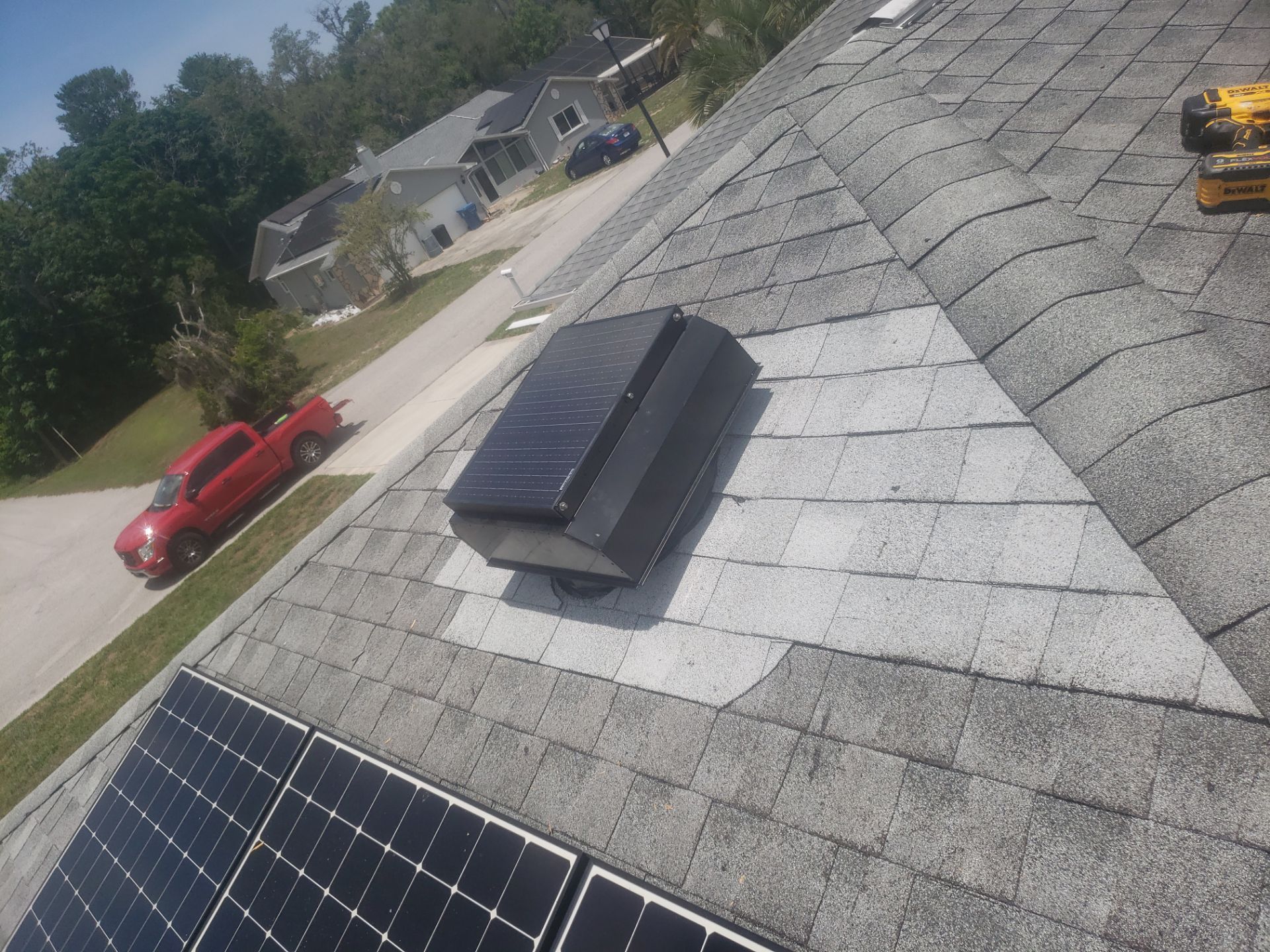
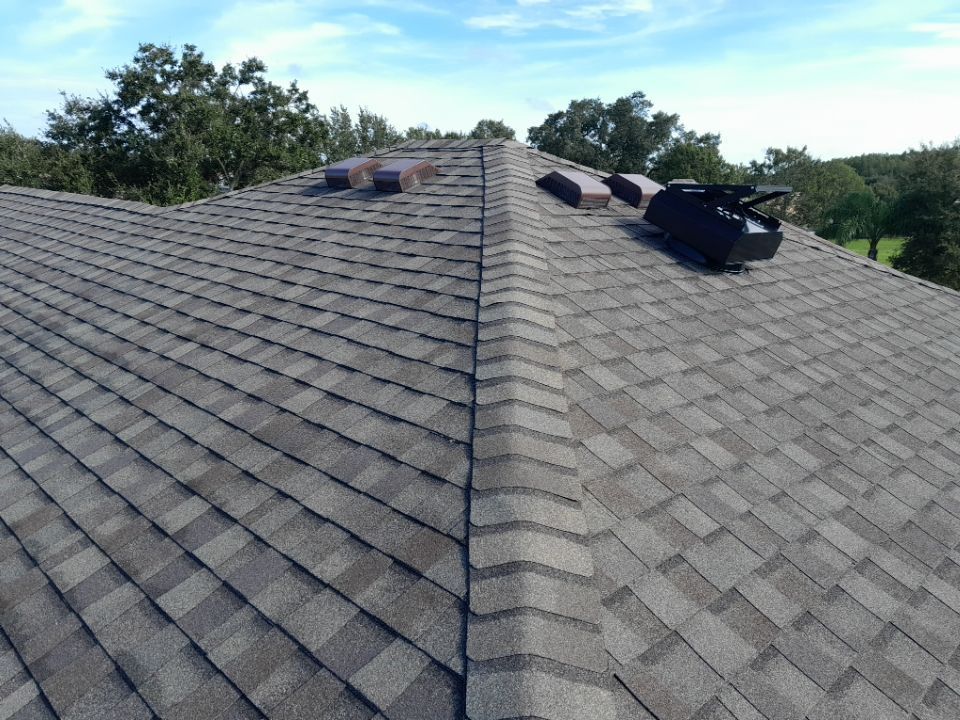
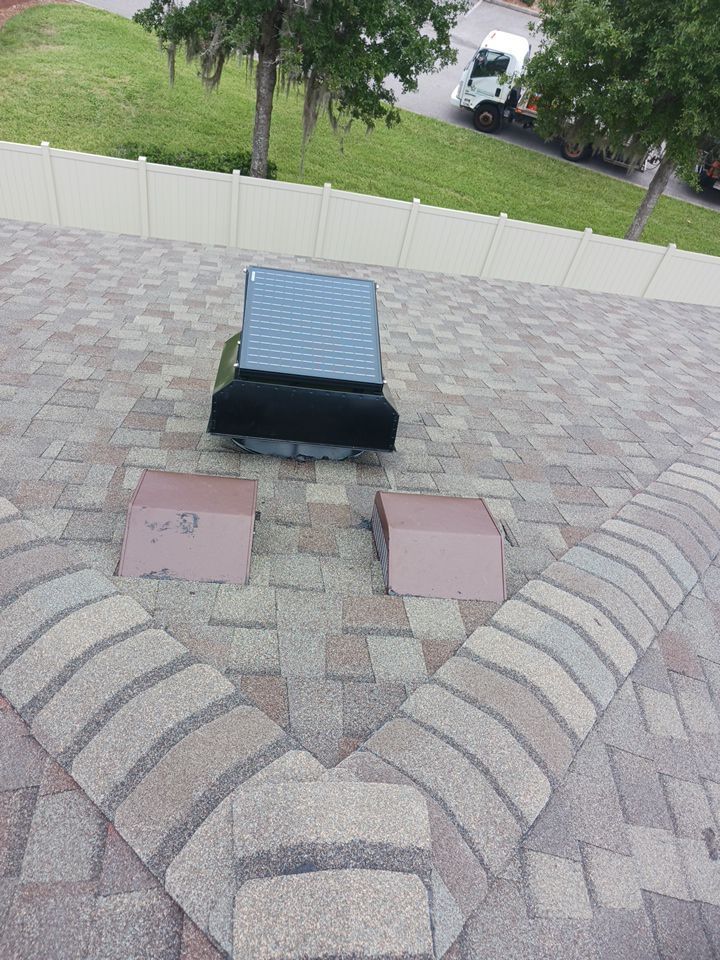
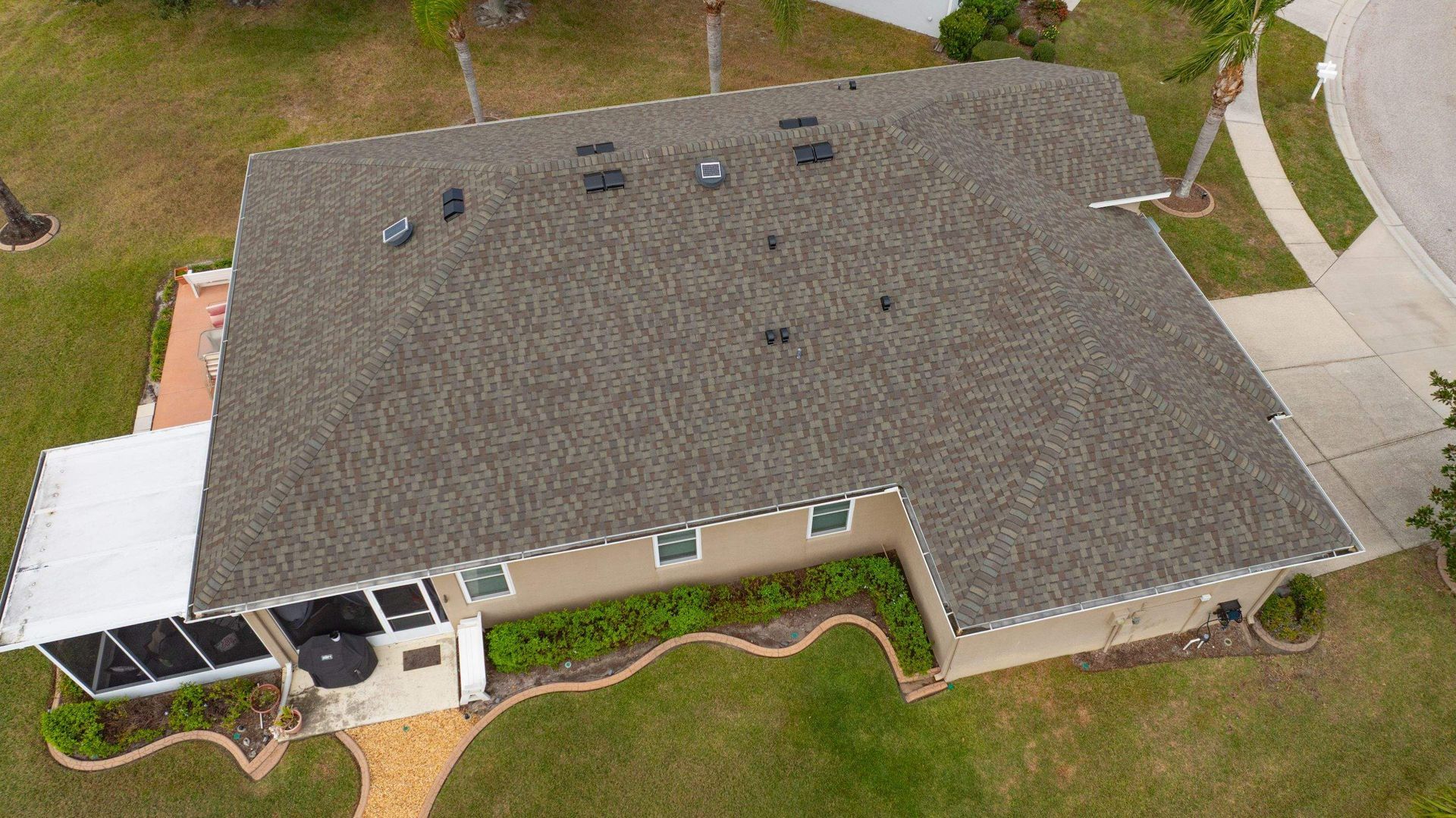
A roof replacement is a great opportunity to evaluate more than just the shingles. During a recent roofing project in Land O’ Lakes, Florida, Nations Roofing & Construction installed a solar-powered attic ventilation fan as part of the roofing work.
Because the existing roofing system was already being addressed, we were able to incorporate the new attic fan into the roof installation and properly flash and seal the penetration.
This is why we recommend looking at ventilation before or during a roof replacement, rather than automatically reinstalling the same ventilation configuration that was there before. Every home is different, and the existing intake, exhaust, attic design, insulation, and roof configuration should all be considered before determining whether changes are appropriate.


Ventilation Matters for Shingle, Metal, and Tile Roofs
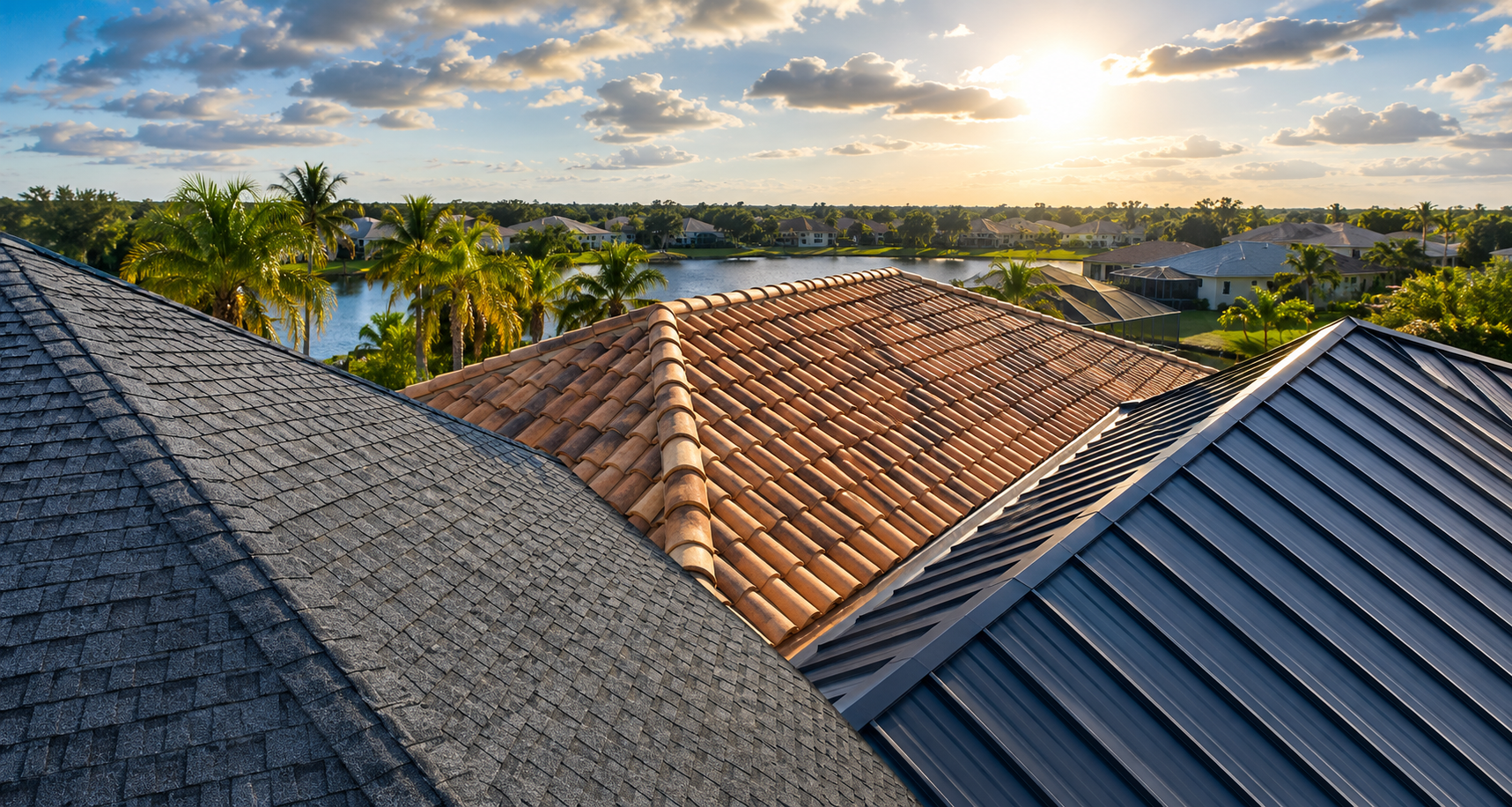
Ventilation isn't just a concern for asphalt shingle roofs. Whether your Florida home has a shingle, metal, or tile roofing system, what happens underneath the finished roofing material still matters. Each roofing system has different installation requirements, but proper attic ventilation should be considered as part of the overall design whenever applicable.
This is also why homeowners should look beyond the visible roofing material when comparing roofing estimates. Two estimates may both say "new roof," while the contractors may be proposing very different approaches to ventilation, underlayment, flashing, roof deck repairs, and other components.
Don't Overlook What's Under Your Roof
Florida homeowners put a lot of thought into choosing the right shingles, metal color, tile profile, or roofing warranty. Those decisions matter—but so do the parts of the roofing system you can't see from the driveway.
Proper roof ventilation can help manage attic heat and moisture and support the long-term performance of your roofing system.
If you're experiencing roofing problems, planning a roof replacement, or simply aren't sure whether your current roof is properly ventilated, Nations Roofing & Construction can evaluate the entire roofing system and explain what we find. We've been serving Florida homeowners and businesses since 2006, and our approach is simple: provide straightforward recommendations based on what your roof actually needs.